How to Take Down a Pop-Up Canopy Step by Step
To take down a pop-up canopy, remove loose items, release the frame locks, and collapse the frame with another person. Fold the dry top and secure the frame before moving it to storage.
On this page (8 sections)
- How do you take down a pop-up canopy step by step?
- What should you do before closing the canopy?
- How do you release the frame without pinching your hands?
- Should you remove the top before collapsing the frame?
- How do you fold and store the canopy top?
- How do you move and store a collapsed frame?
- What if the frame won't close?
- How to take down a pop-up canopy safely
To take down a pop-up canopy, clear the area, release the frame locks, and collapse the frame slowly with a helper. Fold the cover dry, secure the frame, and store both where they won't collect dirt or moisture.
Most collapsible frames come down more smoothly when two people guide opposite sides. Check the canopy's instructions first, because release buttons and cover fasteners differ by model.
How do you take down a pop-up canopy step by step?
Remove the loose items, lower the frame, release its locks, and collapse it under control. Keep fingers away from hinges and pinch points throughout the process.
- Check the weather and make sure the ground is stable.
- Remove lights, signs, sidewalls, and other items attached to the canopy.
- Take down weights and stakes once the structure is no longer at risk of blowing away.
- Release the frame locks as directed in the manual.
- With a helper on the opposite side, walk the frame inward evenly.
- Lower the collapsed frame without dropping or dragging it.
- Remove and fold the top if your canopy instructions call for it.
- Let wet parts dry, then secure the frame and store the components.
If the frame catches or twists, stop and find the source of resistance. Forcing a stuck joint can bend a part or trap your fingers.
What should you do before closing the canopy?
Take off anything that could snag, fall, or add weight as the frame folds. Clear the space around and below the canopy before touching its locks.
Remove hanging decorations, lights, signs, and loose gear from the frame. Take off sidewalls if they interfere with folding or if the instructions call for their removal.
Check the top for standing water, leaves, and loose debris. Clear pooled water gently before lowering the frame, since its extra weight can make handling harder.
How should you handle weights and stakes?
Keep the canopy secured until you are ready to lower it. Remove weights and stakes in an order that doesn't leave the raised frame exposed to a gust.
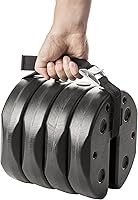
If the canopy is still up, use canopy weights that suit your surface to keep its legs steady while you prepare. Remove them only when you can guide the frame down promptly.
Wind can catch a raised canopy even when you're ready to fold it. See how to keep a canopy from blowing away for securing steps before you start.
How do you release the frame without pinching your hands?
Use the frame's release buttons or locks, and keep your fingers outside the moving joints. Don't pull on a crossbar or force a latch that won't move.
Ask your helper to stand across from you and follow your pace. Move the frame inward evenly, watching each corner and keeping hands on the parts recommended by the manufacturer.
A canopy with a one-person closing feature still has moving joints. The Eurmax NOMATTER One-Person 10x10 Canopy is described as having a pinch-free button to extend and lock its legs, plus an open-and-close design.
Follow the canopy instructions for releasing and collapsing its frame. If a button or joint is damaged, don't force it; see how to fix a bent or stuck canopy frame.
Should you remove the top before collapsing the frame?
Follow the instructions for your canopy model. Some tops can stay attached during folding, while others may need to come off first.
If the top must be removed, release the fasteners rather than tugging the fabric away from them. Spread the cover over a clean surface and fold it loosely once it is dry.
A wet top should dry fully before storage. If it needs cleaning, use these steps for cleaning a canopy top and frame before packing it away.
How do you deal with rainwater before folding?
Drain water from the canopy top before moving the frame. Lower one edge carefully if the instructions allow it, and keep people clear of the water's path.
Don't press down on a pocket of pooled water. Learn how to stop a canopy from collecting water before the next rainy setup.
If rain has soaked the fabric, separate it from the frame if the instructions permit and let both parts dry. Packing damp fabric can leave it musty or stained.
How do you fold and store the canopy top?
Fold the dry top on a clean surface and keep it away from grit and sharp edges. Follow any folding pattern in the canopy's care instructions.
Bring the corners together gently and fold or roll the fabric without pulling at seams. Avoid placing heavy gear on top of the folded cover.
Keep the top separate from dirty stakes or weights. A storage bag can help keep canopy parts together, but only pack fabric that is dry.
How do you move and store a collapsed frame?
Secure the collapsed frame before lifting or rolling it. Use a helper if it feels awkward, and avoid dragging the frame over rough ground.
A wheeled bag can keep the frame and accessories together between events. The Eurmax Heavy Duty Wheeled Roller Bag has a front pocket for items such as stakes, guy ropes, and sidewalls, and its bottom is not completely enclosed.
Measure your collapsed frame before choosing a bag. This one is designed for frames smaller than 7.87 x 7.87 x 61.8 in when closed.
The Cuddly Nest Wheeled Canopy Bag fits a commercial 10x10 canopy frame smaller than 10.2 x 10.2 x 62 in when closed. It has two wheels, a pocket, side handles, and a buckle strap.
Check the closed frame dimensions and bag fit before buying. Once stored, keep the canopy in a dry spot and avoid stacking heavy items where they could bend the frame.
What if the frame won't close?
Stop if a button, joint, or crossbar resists movement. Check whether a sidewall, strap, or other item is caught, then consult the canopy instructions before trying again.
Don't strike a latch or lean your weight against a stuck joint. If a frame part looks bent or damaged, learn how to repair a canopy tent frame and decide whether it needs a replacement part or professional help.
How to take down a pop-up canopy safely
To take down a pop-up canopy, remove loose gear, lower the frame evenly, and keep hands clear of its joints. Follow the frame instructions, and let the top dry before storing it.
Use a helper for a frame that doesn't clearly support one-person closing. If your canopy will sit outside before takedown, review how to secure a canopy against wind first.
Frequently asked questions
How do you take down a pop-up canopy by yourself?
If the frame is designed for one-person operation, follow its manual and use the release points provided. Otherwise, ask someone to help hold and guide the frame as you collapse it.
Remove loose items first, keep hands clear of hinges, and stop if a lock sticks or the frame shifts.
Should you take the canopy top off before folding the frame?
Check the canopy instructions, since some frames are designed to collapse with the top attached while others may need the cover removed. If you take it off, release its fasteners without pulling on the fabric, then fold and store it dry to limit mildew and stains.
How do you fold a pop-up canopy top?
Lay the removed top on a clean, dry surface and bring the corners together without dragging the fabric. Fold or roll it loosely, following the care instructions, and let any damp areas dry fully before storing.
Avoid sharp creases, dirt, and placing heavy items on the folded cover.
Can you leave a pop-up canopy outside overnight?
A pop-up canopy is temporary shade, so take it down when you won't be there to watch it or when wind, rain, or changing weather could stress the frame. Follow the canopy's weather guidance, clear water from the top, and secure or remove it before conditions worsen.