Canopy vs Tent: What Each One Is Built to Do (October 2026)
Choose a canopy for open shade and a tent for enclosed shelter. The right fit depends on whether you need room to gather, protection from bugs, or a place to sleep.
On this page (7 sections)
Choose a canopy for open shade and a tent for enclosed shelter. The difference affects how people move through the space, what the sides protect you from and whether the shelter suits sitting, selling or sleeping.
A standard pop-up canopy covers an area from above and leaves the sides open. A tent usually adds walls, though the word can also describe open-sided canopy products, so check the actual design.
For a simple outdoor event, open access may matter more than enclosure. For camping, bugs, privacy or rain can change which shelter makes sense.


Canopy vs tent: what is the main difference?
A canopy provides overhead cover with open sides; a tent adds walls to enclose the space. That basic shape is the fastest way to narrow your choice.
Open sides make it easier to walk in from different directions and arrange tables beneath the roof. They also leave the area exposed to wind, insects and sideways rain.
Tent walls can create a more sheltered or private area. The tradeoff is less open access, and a tent's fabric and design determine how well it handles rain, bugs and ventilation.
The names can overlap. Some products called “canopy tents” are open-sided shelters, while a screen house may look like a tent but is meant for sitting rather than sleeping.
Our guide to what a canopy tent is explains common roof, frame and setup terms. Use those details to compare the shelter's actual layout instead of relying on its name.
Which shelter works better for shade and gatherings?
An open canopy is usually the better fit for group shade, serving tables and walk-in access. Choose a tent when walls solve a specific problem for the gathering.
A canopy lets people move between the shaded area and the rest of the yard without opening a door or zipper. That helps at cookouts, tailgates, craft fairs and other events where guests come and go.
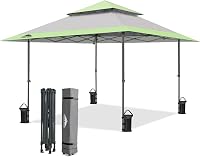
The Crown Shades 10x10 One Push Canopy has a 10 x 10 ft footprint and an open-sided design. Its center lock is made for setup by two people, and its canopy fabric has a silver-coated interior with UPF 50+ UV protection.
For larger groups, compare the floor space and access you need before choosing a size. Our guide to how big a 10x10 canopy tent is helps put that footprint in context.
A tent may still work for a gathering if you want an enclosed room, but the walls can affect airflow and the way people enter. Look for doors or panels that match how guests will use the space.
When is an enclosed tent the better choice?
Choose an enclosed tent when you need a more private space, a sleeping shelter or protection that open sides cannot provide. Match the tent's intended use to the conditions you expect.
A camping tent designed for sleeping can give you an enclosed area for rest and gear. A canopy is not a substitute for that design simply because both have a roof and a frame.
A screen house sits between the two ideas. It has mesh sides that can help keep insects out while allowing airflow, but it is generally a gathering space rather than a waterproof sleeping tent.
Is a screen house a tent or a canopy?
A screen house is an enclosed outdoor room with mesh sides, so it offers more separation than an open canopy. Its mesh and roof still don't guarantee protection from rain or strong weather.
The East Oak 10x10 Pop-Up Screen House has four-sided fine mesh and UPF 50+ UV protection. It is not waterproof, and the brand advises against using it when wind reaches over 24 mph.
If you want mesh sides around a canopy, see our guide to screen walls for a 10x10 canopy. For a freestanding screened option, compare the pop-up gazebo with netting sides.
How do setup and access compare?
A canopy keeps entry open, while an enclosed shelter adds doors, zippers or panels to manage. Setup time depends on the frame and the instructions for the exact shelter.
The Crown Shades canopy uses a one-push center lock and is designed for two people to set it up without tools. It also has three adjustable height settings.
East Oak describes its screen house as a single-person pop-up setup. It has a zipper that can be used from either side, plus a door curtain that can be fixed to the side for access.
Think about where the shelter will be stored and how you will carry it. A frame that opens quickly may still need help to move, anchor and pack away safely.
Does one shelter work better in a small yard?
A smaller yard favors the footprint that leaves enough room to walk around and use nearby doors. Measure the whole area, including the space people need to enter and sit.
Both products here are around 10 x 10 ft, but their covered layouts differ. The Crown Shades canopy has a 100 sq ft footprint, while the East Oak screen house lists 96 sq ft of floor area.
Mark the footprint on the ground before choosing. Include patio furniture, grill clearance and the path from the house so the shelter doesn't block daily movement.
If you are deciding between a shade structure attached to the home and a freestanding shelter, our canopy vs awning comparison covers that separate choice.
Which one handles weather better?
Neither a canopy nor a tent should be treated as safe in every kind of weather. Follow the model's instructions, anchor it as directed and take it down when conditions exceed its guidance.
Open sides let air pass through, but they also leave people and furniture exposed to wind-driven rain. Walls can block some wind and spray, yet they can also catch wind and put added force on the frame.
The Crown Shades canopy fabric is described as water-resistant, not a guarantee of protection in every storm. Its frame and fabric features do not remove the need to secure it and monitor changing weather.
East Oak says not to use its screen house when wind reaches over 24 mph. Its guidance also says to install the guylines, sandbags and stakes for stability, and to pack it away if extreme weather is forecast.
For practical anchoring steps, read how to weight down a canopy. For a shelter that can drain water poorly when its top sags, see how to stop a canopy from collecting water.
Can you use a canopy or tent for camping?
A canopy can add a shaded cooking or sitting area to a campsite, while a tent designed for camping provides the sleeping enclosure. Some trips benefit from both, if the campsite rules and space allow.
A canopy is useful for a table, chairs or a place to take a break from direct sun. It doesn't replace a sleeping tent's enclosed walls, floor and weather planning.
A screen house can create a bug-screened place to eat or sit. Check its floor, weather limits and setup needs before relying on it at a campsite.
For campsite bug protection, compare the options in our guide to screen houses for camping. If you mainly need a roof over a table or campsite kitchen, compare canopy sizes and pack dimensions instead.
Which should you choose?
Pick a canopy for open shade and easy access; pick an enclosed tent for sleeping, privacy or a defined sheltered room. Choose a screen house when mesh walls address a bug problem and its weather limits fit your plans.
The Crown Shades canopy suits a booth, patio or gathering where people need to move freely under the roof. The East Oak screen house suits a smaller screened sitting area, provided you don't need waterproof coverage and can follow its wind guidance.
If you need a sleeping shelter, choose a tent designed for that purpose. Measure your space, check how the shelter is anchored and use the maker's setup instructions before heading outdoors.
Frequently asked questions
Is a canopy the same as a tent?
A canopy and a tent both provide overhead shelter, but a typical canopy is open-sided while a tent encloses more of the space. A canopy suits shade over a table or gathering area; an enclosed tent is better when you need privacy, weather protection or a place to sleep.
Can you sleep under a pop-up canopy?
You can place a sleeping setup under a canopy, but an open-sided canopy does not provide the enclosure most campers want for sleeping. It won't screen out insects or offer the privacy of a tent.
Check the forecast and use gear designed for the conditions you expect.
Does a screen house work like a tent?
A screen house creates a sheltered sitting area with mesh walls, but it isn't automatically a sleeping tent or rain shelter. The East Oak screen house is not waterproof, so use a separate shelter for sleeping or protection from rain, and follow its setup and weather guidance.
Which is easier to set up, a canopy or a tent?
Setup depends on the frame and the number of people helping. The Crown Shades canopy is designed for two people to use its one-push center lock, while East Oak says its screen house can be set up by one person.
Check the exact setup instructions for the model you choose.
Is a canopy better than a tent for a market booth?
A canopy is usually the more direct fit for a market booth because its open sides leave room for visitors, tables and displays. A tent or screen house makes more sense when you need an enclosed area.
For booth shade options, see our canopies for vendors and craft shows.